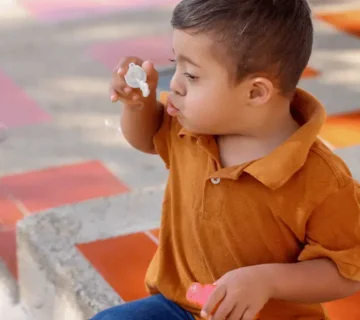

Behavioral therapy for children is structured and action-focused. It looks at which learned behaviours are working against a child, then teaches new responses to take their place. The aim isn’t to control the child. It’s to build workable habits for home, school and friendships.
According to Dr. Sushant D. Sarang, Occupational Therapist at Tender Touch Therapy Clinic, Navi Mumbai, “Behavioral therapy starts from one idea. Behaviour is learned, so it can be relearned. Punishment rarely works. Instead, you find out what the child gets from the behaviour, or what they’re avoiding, and help them find a better way to meet that need.”
How Does Behavioral Therapy Work for Children?
So what does behavioural therapy for kids involve? Mostly watching, planning and practising.
- Assessment comes first: Before any plan, the therapist maps what the child does, when it happens and what sets it off. Strengths count too, not just problems.
- Small, clear goals: “Behave better” is too vague to work with. “Ask for a break instead of throwing the pencil” is something a child can actually do.
- Practice and reinforcement: Sessions are structured but interactive. A wanted behaviour gets noticed straight away, and the child rehearses it until it stops feeling forced. It takes repetition.
- Parents carry it forward: Home practice plays a big part. Parents learn how to respond so new habits can stick, and regular reviews adjust the plan as the child changes.
That’s the structure behind the clinic’s behavioral therapy sessions, adjusted to each child’s age and needs.
For information about behavioral therapy options, you can contact the clinic at +91 96193 44305.
Which Concerns Can Behavioral Therapy Help With?
The list is longer than most parents expect.
Concern | What Parents May Notice | What Therapy Works On |
ADHD and attention difficulties | Can’t finish tasks, acts before thinking | Attention, impulse control and task completion |
Anxiety, fears and phobias | Avoids situations, clings, worries a lot | Facing fears in small steps, calmer responses |
Emotional outbursts and anger | Frequent meltdowns, low frustration tolerance | Naming feelings and choosing calmer responses |
Autism-related challenges | Rigid routines, repetitive or disruptive habits | Communication, daily routines and adaptive behaviour |
- ADHD and attention difficulties: The goal isn’t a quieter child. It’s one who can finish homework before bedtime and stop to think once in a while.
- Anxiety, fears and phobias: Avoidance feels safe, so it grows. Therapy has the child face the fear in small steps instead, and the fear often eases.
- Emotional outbursts and anger: A meltdown is often a skill gap, not bad character. Children learn to spot the build-up and pick a calmer response. Slowly.
- Autism-related challenges: The focus is everyday life, meaning routines, communication and fewer disruptive habits. Progress may show up at home and school, not only in sessions.
For a closer look at how behavioural therapy may help children with ADHD, read our post on therapy for ADHD.
What Determines the Right Behavioral Therapy Approach?
The choice depends on the individual child. The therapist first looks at what the child does, when it happens and what triggers it. Age, the nature of the concern and how much it affects home and school then shape the goals. Parent guidance often leads in younger children, while older ones may take to cognitive behavioral therapy adapted for children. Regular reviews keep the plan in step with the child
Key Takeaways:
Behavioral therapy aims to replace habits that aren’t working with ones that are, using small goals, practice and parent involvement. It starts with an assessment of what the child does and why, and the plan is reviewed regularly. Whether it suits a particular child depends on the individual case, so it’s best discussed with a specialist. Parents play a big part in making new habits stick.
For information about behavioral therapy options, you can contact the clinic at +91 96193 44305.
FAQs
What age is play therapy for?
Usually between three and five, right when a child’s social world widens.
Does my child need to talk during play therapy?
No. It’s an anxiety disorder, and it can exist with or without autism.
Can parents be involved in play therapy?
Some kids improve on their own, but therapy speeds things up and prevents relapse.
How is play therapy different from regular playtime?
Depends on the child, but most parents see progress within a few months.
- PMC — An Overview of Play Therapy: https://pmc.ncbi.nlm.nih.gov/articles/PMC8812369/
- PMC — Play Therapy: https://pmc.ncbi.nlm.nih.gov/articles/PMC2695756/
Disclaimer: This blog is for informational purposes only and is not a substitute for professional medical advice.